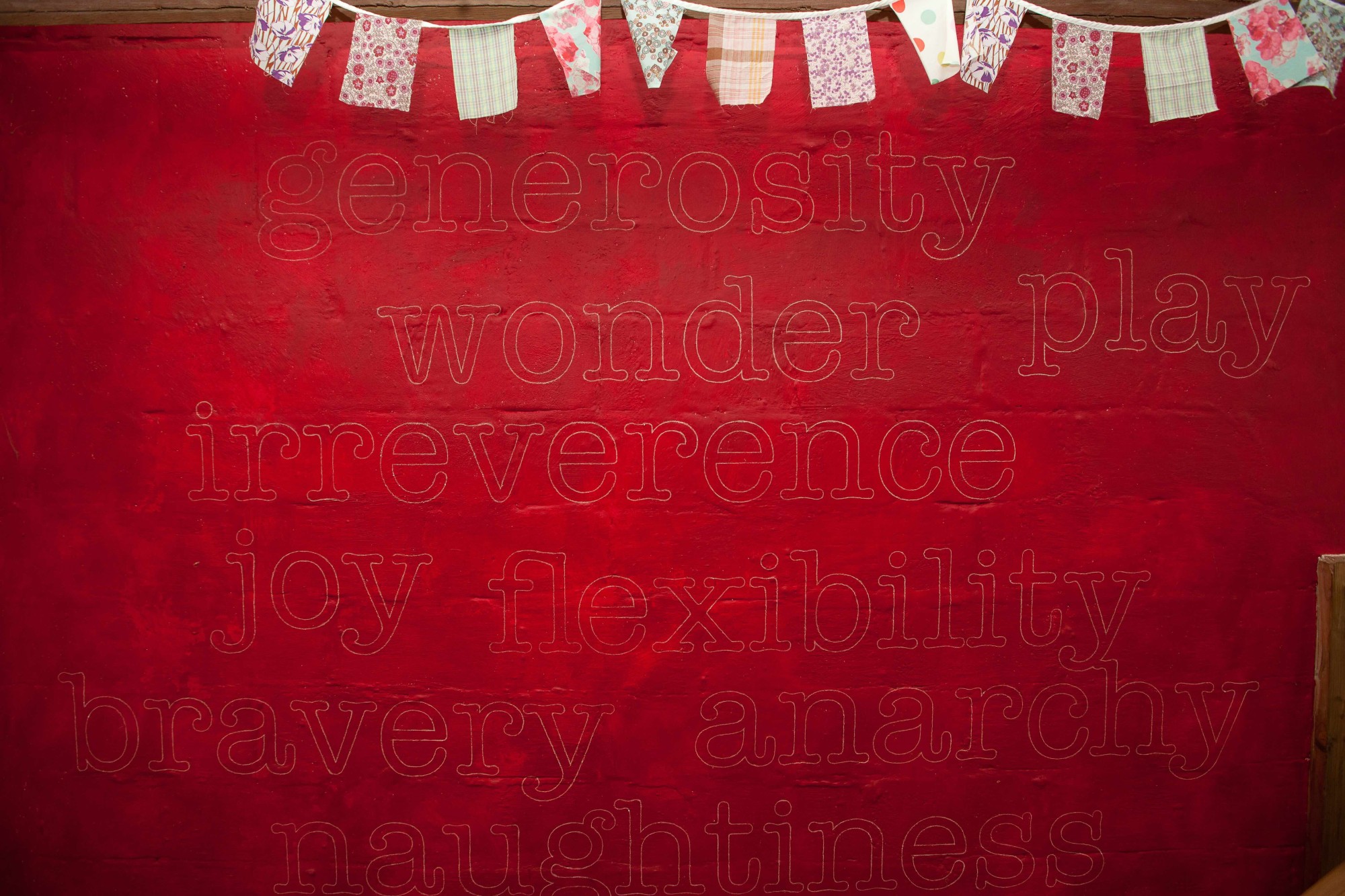
Key words: generosity; play; wonder; joy; flexibility; bravery; anarchy; naughtiness
Rehearsing
The creative space - ensemble and the process of collaboration
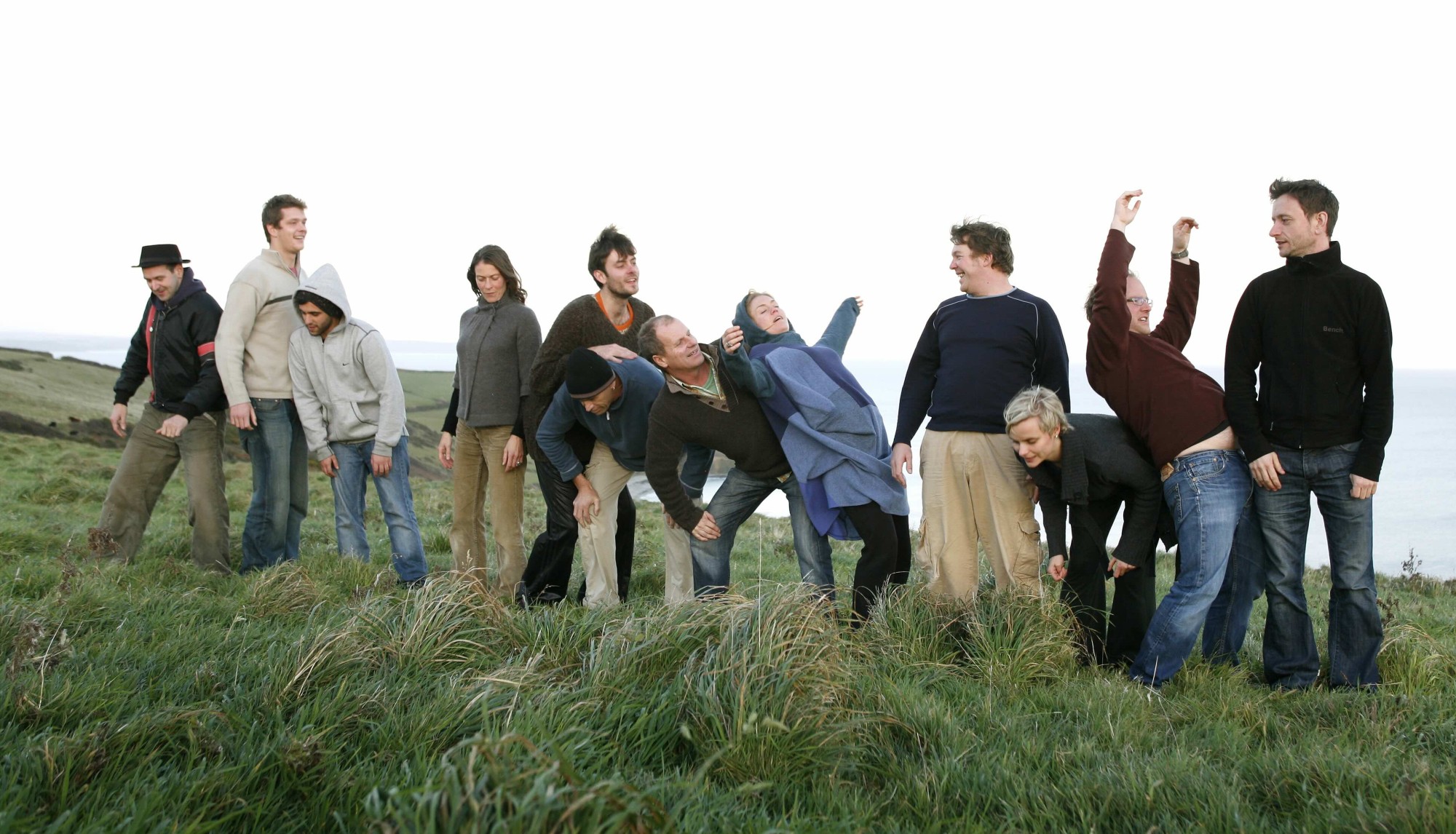
There's any number of ways to describe what an ensemble is, but for me, it's a group of people who are on a journey with the work, who have some shared beliefs and, ideally, some shared language. They are going to be brave and are going to step into the unknown, which is what devising is as well.
In the Studio 2: Creating an ensemble
Creating an ensemble takes time and energy. Kneehigh’s rehearsals rely on collaboration and generosity, a shared language, and a common goal.
Ensemble challenge
To embrace a sense of play, set a challenge for your ensemble which doesn’t involve a specific skill or level of experience. You could:
- Make a ‘shrine’ or environment for a specific character or archetype. Perhaps it’s a superhero or villain, a character from a popular book, or a public figure.
- Solve a problem such as how to build the tallest tower possible using only dried spaghetti, balloons and Blu-Tac™.
- Organise a picnic (or design a hypothetical one), with the challenge of having food items beginning with every letter of the alphabet. Kneehigh would eat together after rehearsals in the barns, telling stories, playing games and music: recreating that atmosphere of collaboration and connection is a great way to build the foundations of ensemble.
Ultimately, the focus isn’t the end result of the shrine or the spaghetti tower, or the content of the picnic: instead it’s the process of thinking playfully and creatively, without censorship and without needing to achieve perfection. It’s that spirit, which embraces uncertainty and chaos, that you’re trying to emulate in the rehearsal room!
We always started with playfulness. There was always a sense of returning to your childhood sense of mischief.
Mike Shepherd explains ensemble in more detail:
“Kneehigh has always been an ensemble company. This has been a practical necessity with small multi-tasking casts playing multi-roles at the drop of a hat (or the putting on of a hat!) But more than that we’ve always wanted a chorus onstage, charging the space, focussing the action and telling the story.
I never liked a shoaling chorus all doing the same thing at the same time. Everyone might be doing the same thing but I like to see the individuals within that chorus.”
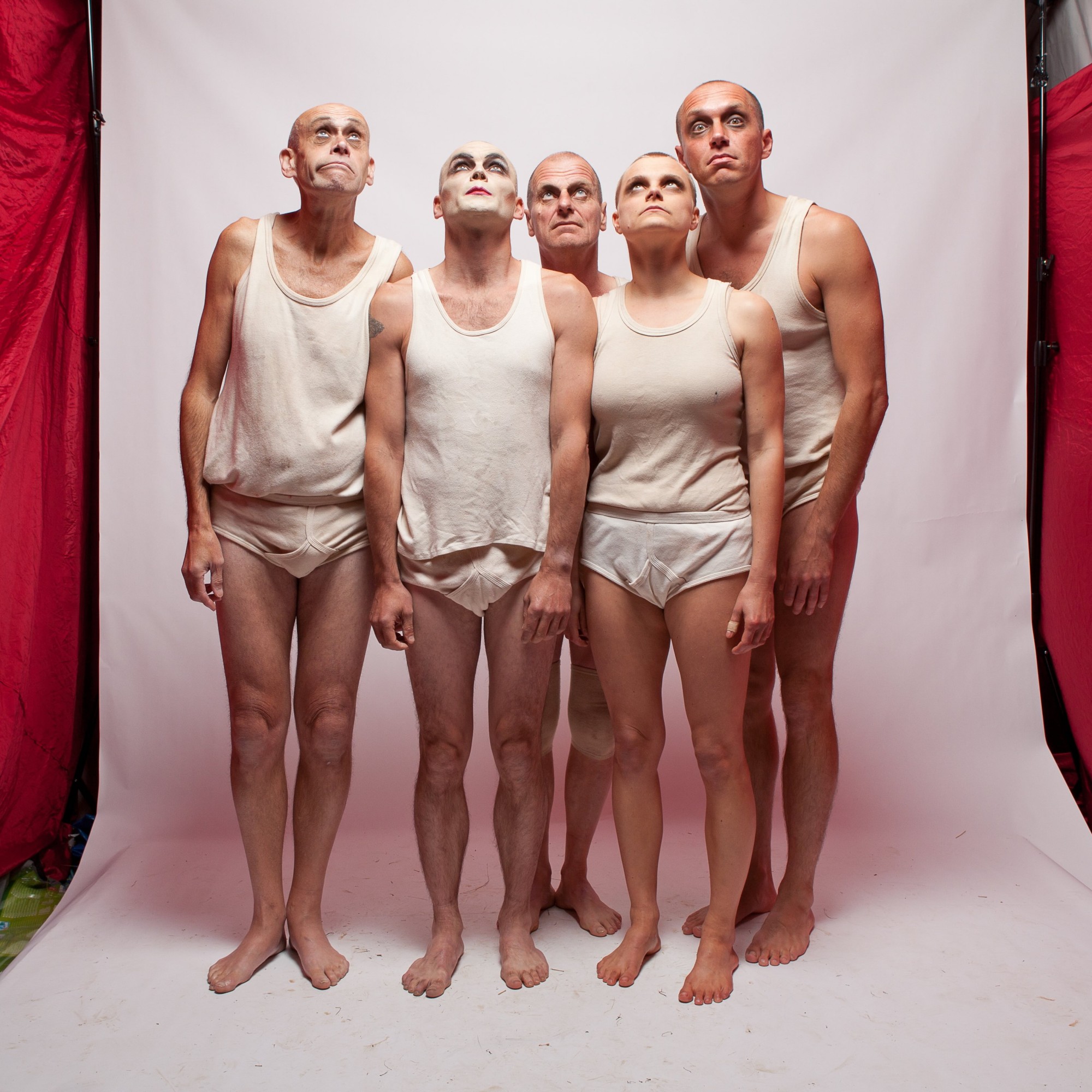
In the Studio 3: Build a heightened state of alertness
Here are a few starting points for creating ensemble:
Build a heightened state of alertness
With your whole group, all of whom should be hungry to give and hungry to receive, move around the space, eyes wide and alive. One person clicks their fingers purposefully and intentionally at someone. They should make eye contact and use clear, purposeful movement to ‘pass’ that click physically as well as through the sound it makes. Pass the click from one person to another. (One person clicks with intent at someone else. That person then passes it on to someone else, and so on. Make sure you receive the click as physically as it is given. ‘Catch it’ between your hands, or use your eye level as if you’re following it in the air.
If the passing of the click becomes casual, up the stakes by replacing the click with a physical item: a stick, a potato, a boot, an egg (!)
Add more layers to this game. If you’re using one stick to pass around, you could then add multiple sticks. Everyone should always know where the stick (or the click, or the object) is: that’s the focus.
In the Studio 4: Working with canes
Companies such as Kneehigh and Complicité often use bamboo canes (like those found in garden centres) during rehearsal and Research & Development (R&D) - working in pairs, balancing the two ends of the canes in the palm of hands, between finger tips. There are a lot of variations to working with canes or sticks. They bring a sense of focus and awareness, and a strong sense of working with your fellow performers. Try these exercises to enhance focus, explore movement and levels, and develop spatial awareness.
Each pair has one cane between them. Place the ends of the cane against the palm of one hand each (one person on each end of the cane) and explore the pressure that is needed to keep the cane aloft. Once that has been established, the pair should then start to slowly move around the room, keeping the cane aloft, but moving it in various directions. Care should be taken to maneuver around other pairs who are working in the same space, and this can create interesting interactions as people move under or over others.
As confidence grows, suspend the cane using one fingertip each, rather than the palm of the hand. This requires greater skill and focus. Challenge participants to sustain eye contact with each other as much as possible as they continue to move around the room, keeping the cane moving and suspended.
Create more opportunities for the pairs to interact with each other. Perhaps they can create a sense of a wave, a shoal of fish, a train - whatever comes to mind!
One of the ways to get people to care is if there’s a sense of shared ownership. That's why we always worked collectively while , at the same time, giving writers, designers, musicians the autonomy to work independently when they needed to
In the Studio 5: States of tension
In a group of about 5, set the following scenario:
5 people are all painting a wall several storeys up in a block of flats - encourage individual painting styles and vocal sound effects.
There’s a threat (individuals decide what the threat is) and decide in which direction it’s coming from. The threat is represented by a clap which the task leader will deliver.
- 1st clap: No reaction, painting action continues in individual rhythms. The audience/viewer becomes aware of something the protagonists aren’t.
- 2nd clap: Continue the painting action but acknowledge the threat.
- 3rd clap: Stop the action, acknowledge the threat, tune into the group, eventually find the rhythm of the action…phew...relief!
- 4th clap: Immediate stop, hiatus, group find the moment to all return to action but at double speed
- 5th clap: Freeze: maybe just eyes flick
- 6th clap: The THREAT is upon you !!
Practise this exercise then play with it. Escape from the block of flats, down the emergency stairs - repeat the claps - run down the street - repeat the claps.
Try the exercise in different scenarios/scenes. You might edit some of the sequence and polish it.
Working with script
Some of Kneehigh’s plays were commissioned from writers such as Nick Darke and Carl Grose. At other points, the company used existing scripts - for example the scripts for the TV comedy, Steptoe and Son. However, Kneehigh would never simply recreate or attempt to replicate previous tellings of the play. Mike Shepherd talks of finding the gaps in the story, the spaces where other narratives and voices might be found and amplified.
In the Studio 6: Combining different performance elements (design, puppetry, music, improvisation)
Designers are involved in the process of making a show from the very beginning. Staging choices and design ideas are completely integrated - rather than an add-on. If you’re working in the style of Kneehigh, a designer is a key decision-maker from the start!
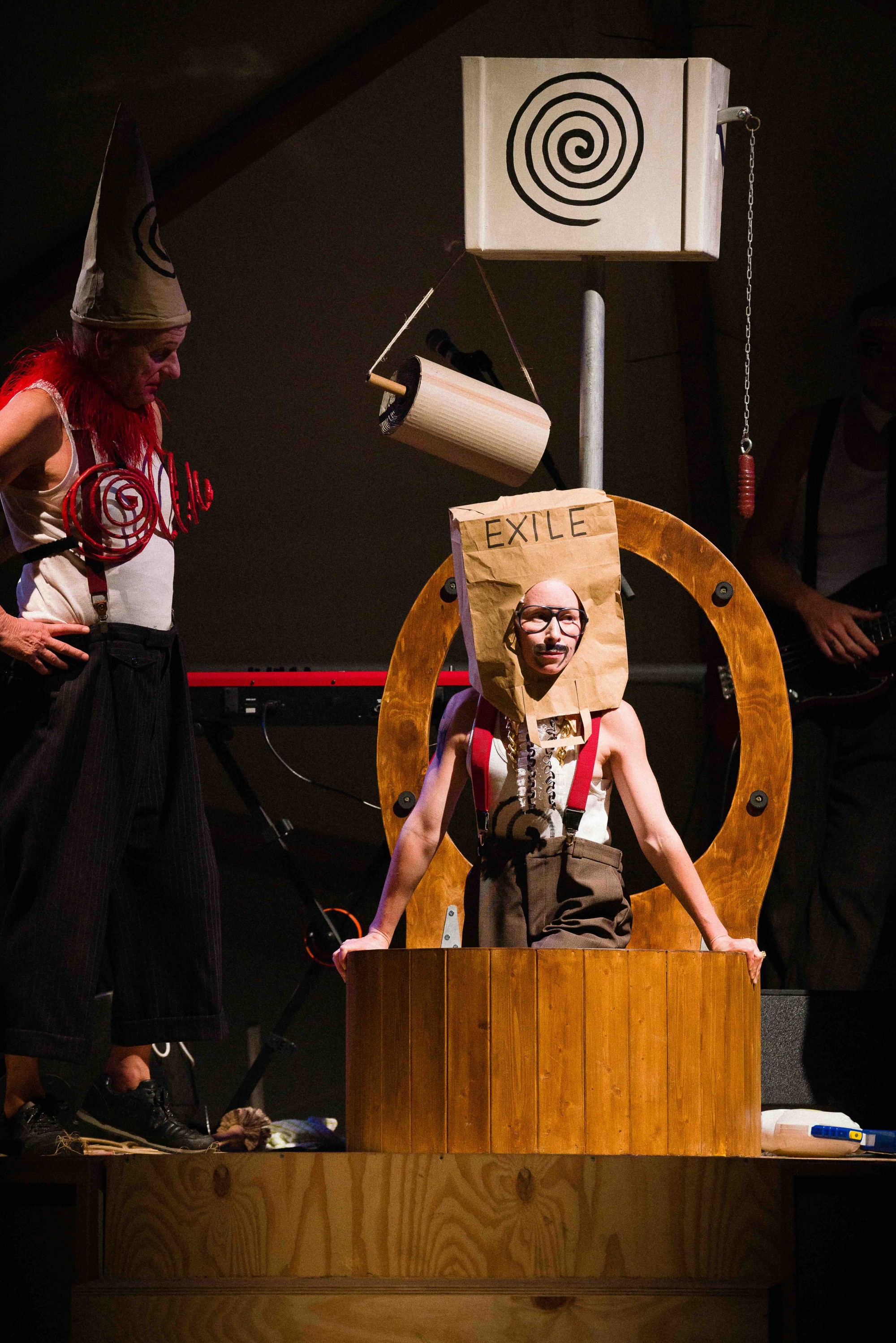
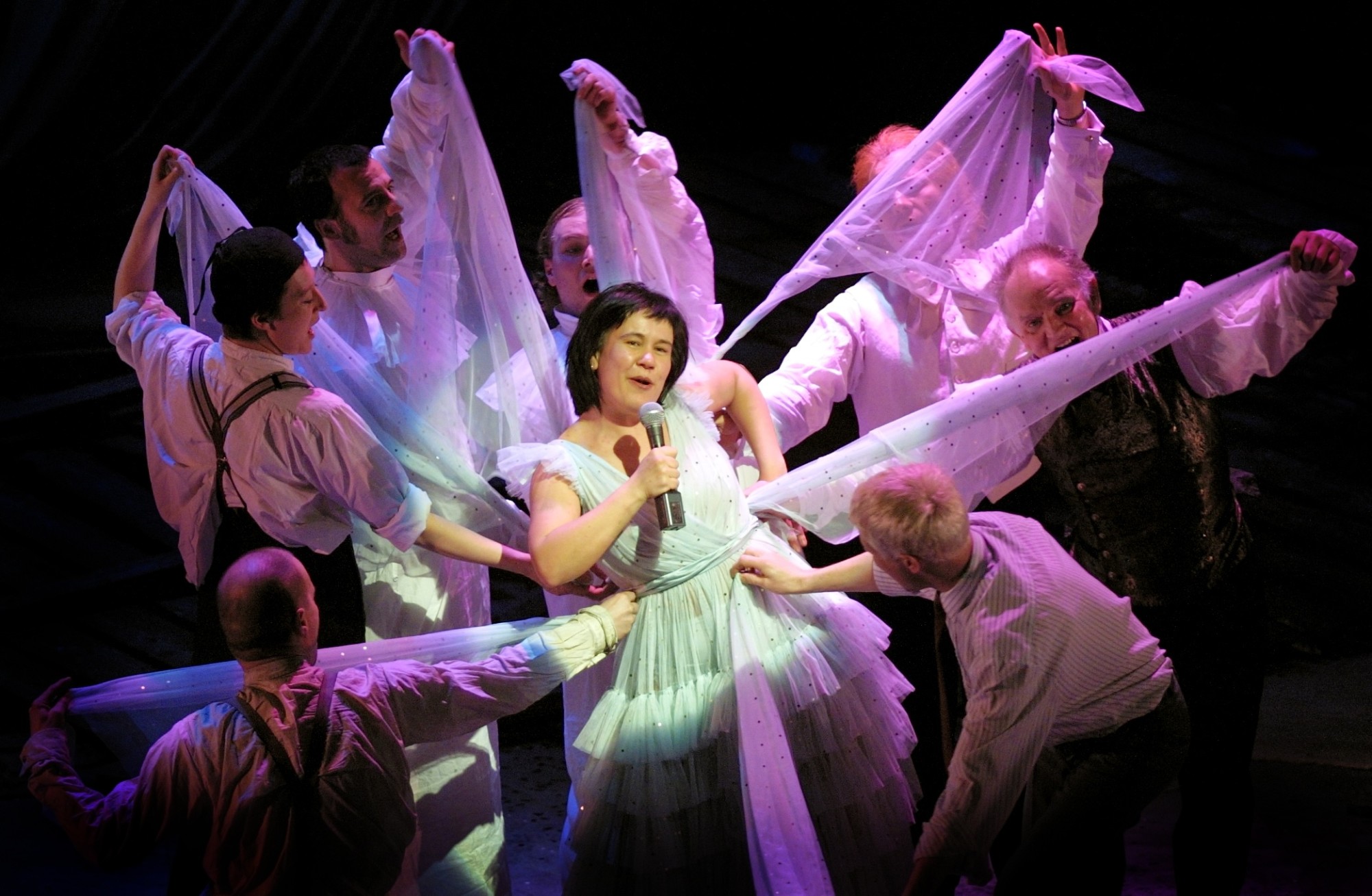
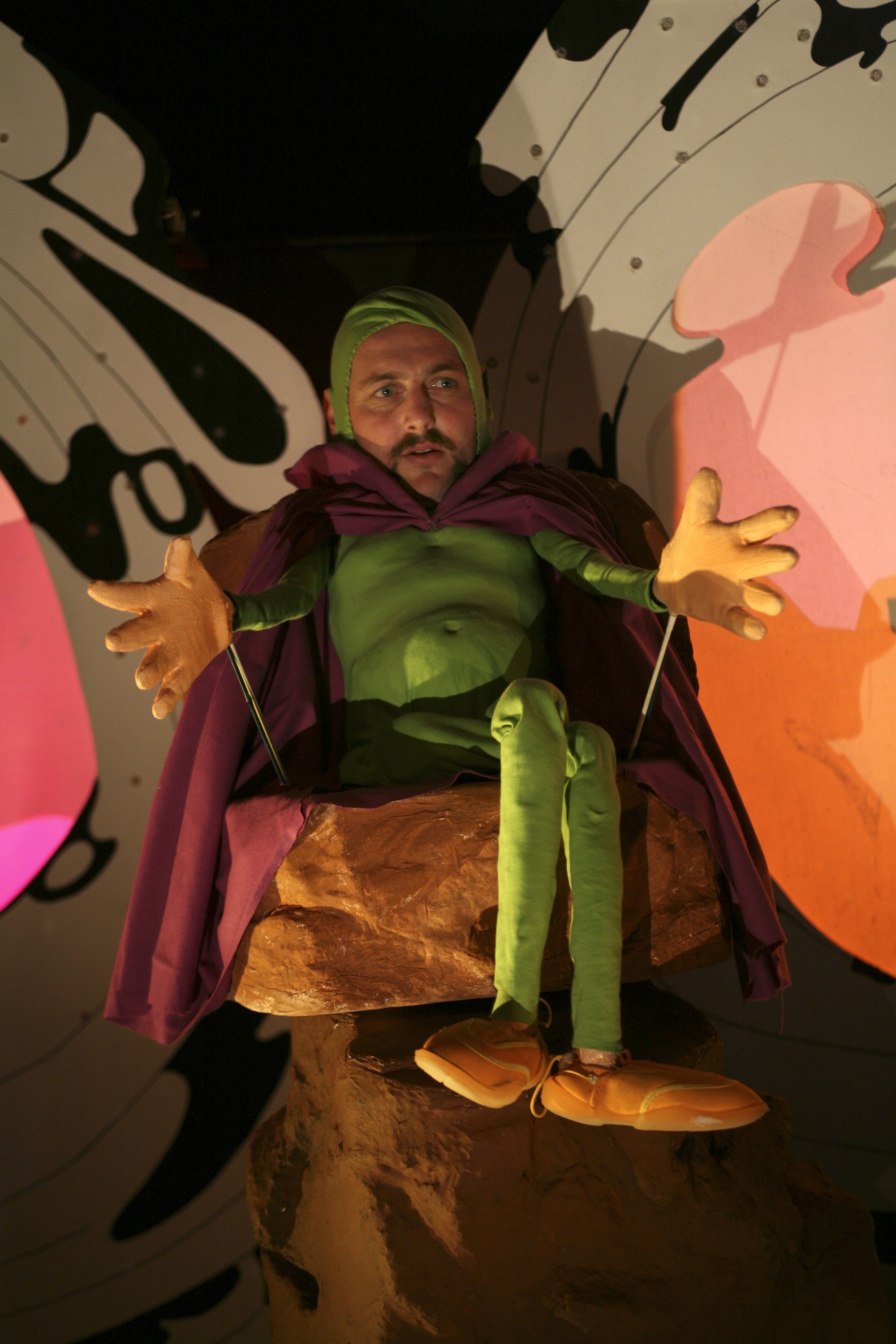
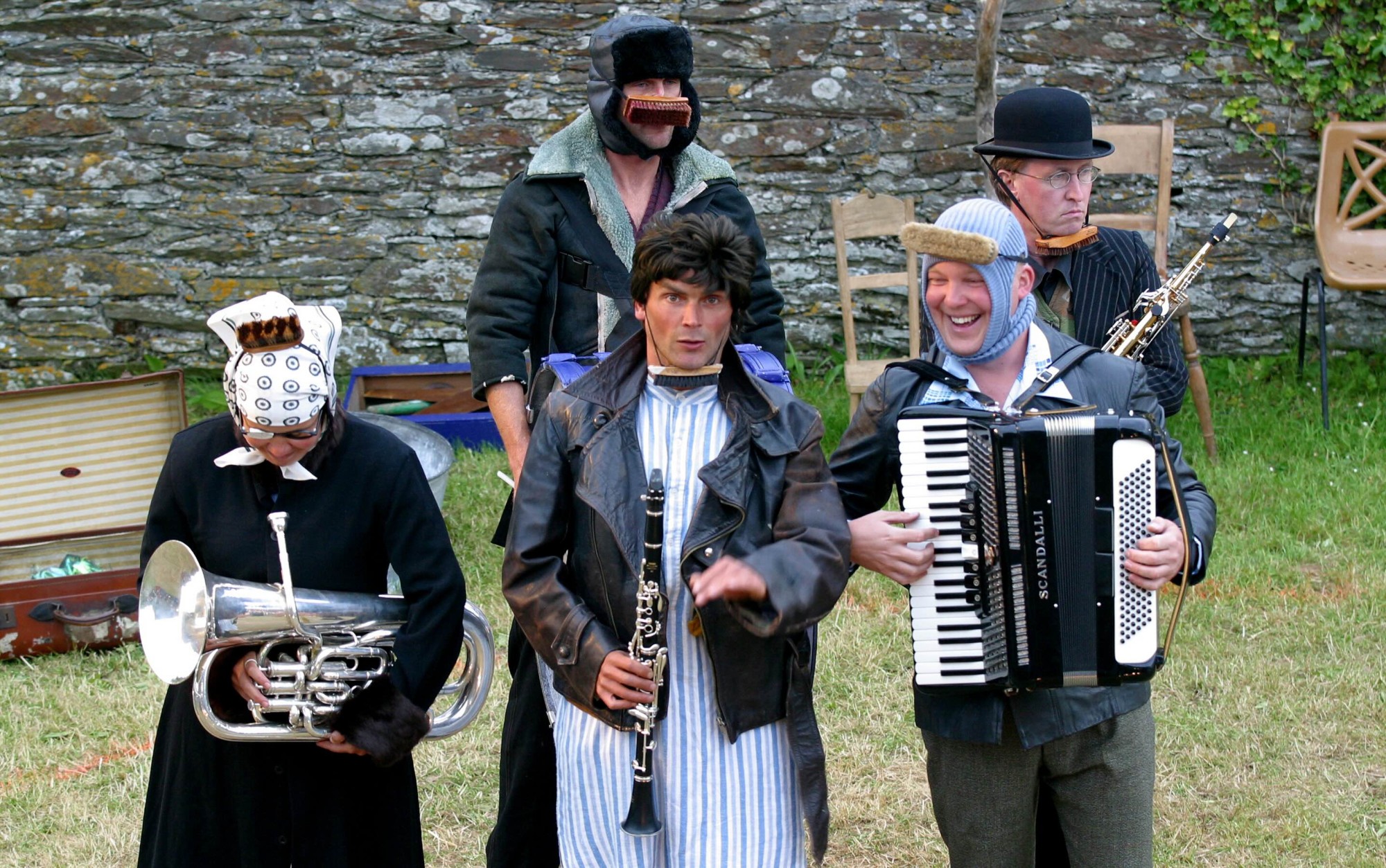
When you’re working with a script that already exists (rather than devising your own), think about how you can introduce playfulness into your rehearsal and your creative decisions.
- Playing with costume: Dress each other up. Don’t discuss it or overthink it!
- Building a playground: Take the idea that Bill Mitchell would ‘create a playground’ and create a set for your piece that allows you and your characters to play
- Creating a sense of place: Think about music and lighting, as well as set. Refer back to the ideas about archetype that are explored elsewhere in this pack.
- Multi-rolling: Play as many characters as you can, and see what connections there are between them! You might not play all of those characters in your actual performance, but see what happens when you try to portray opposing/similar characters!
- Use of puppetry: Animate anything - it doesn’t need to be your traditional idea of a puppet! Find the naughtiness, the archetype or the function of a puppet in how they can swell your cast or represent an idea or theme.
- Live musicians: Each of you can bring a song that makes you want to dance, or makes you cry, or laugh. Identify a song that might be your character’s favourite, or one that sets the mood or period of your play. Sing live, play instruments or, even better, invent them!You might also consider creating a playlist for the script: or simply play some music in the background and see what happens!