Miscellaneous
Extended Trailers
Film
Photographs
In the Studio
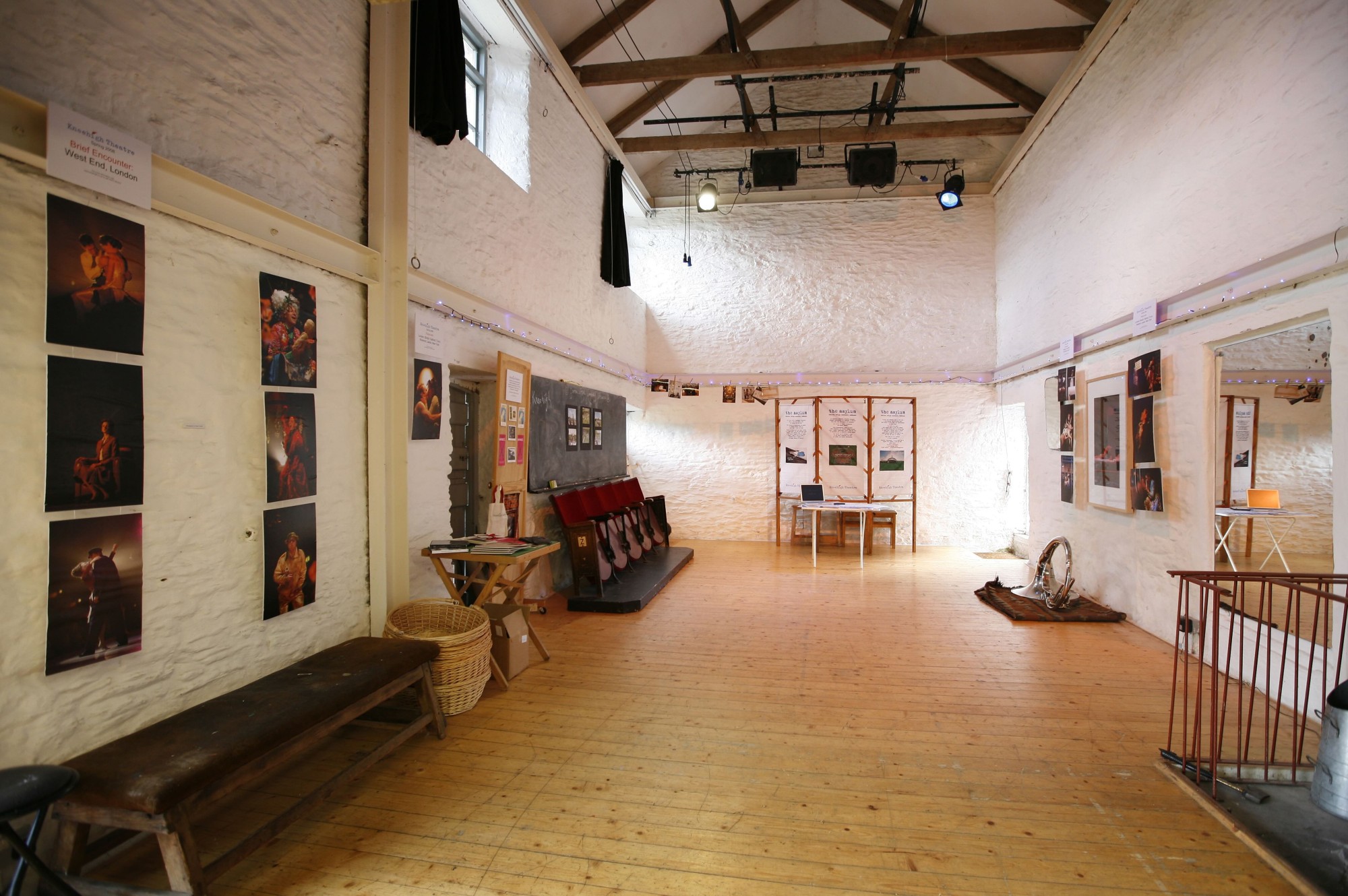
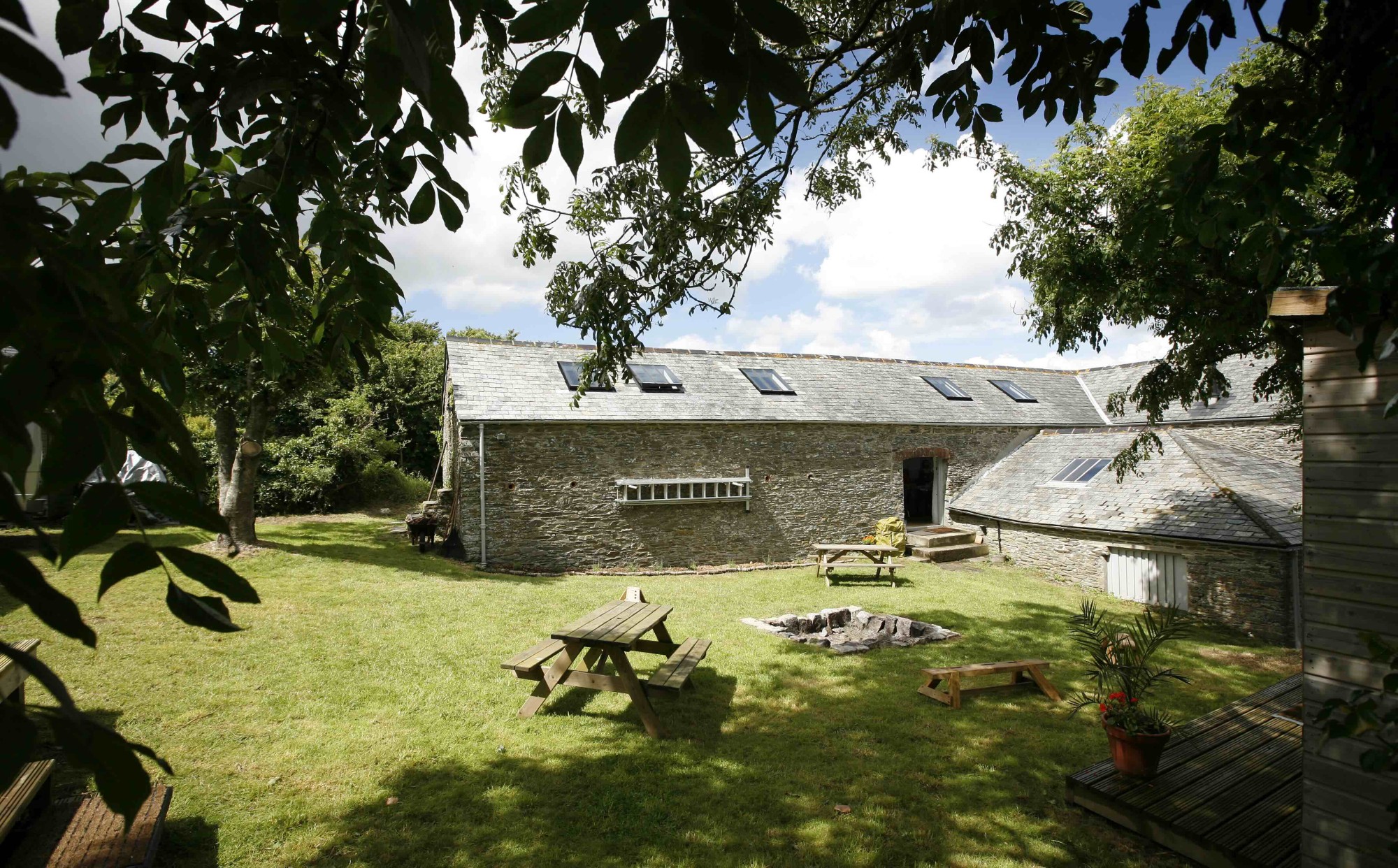
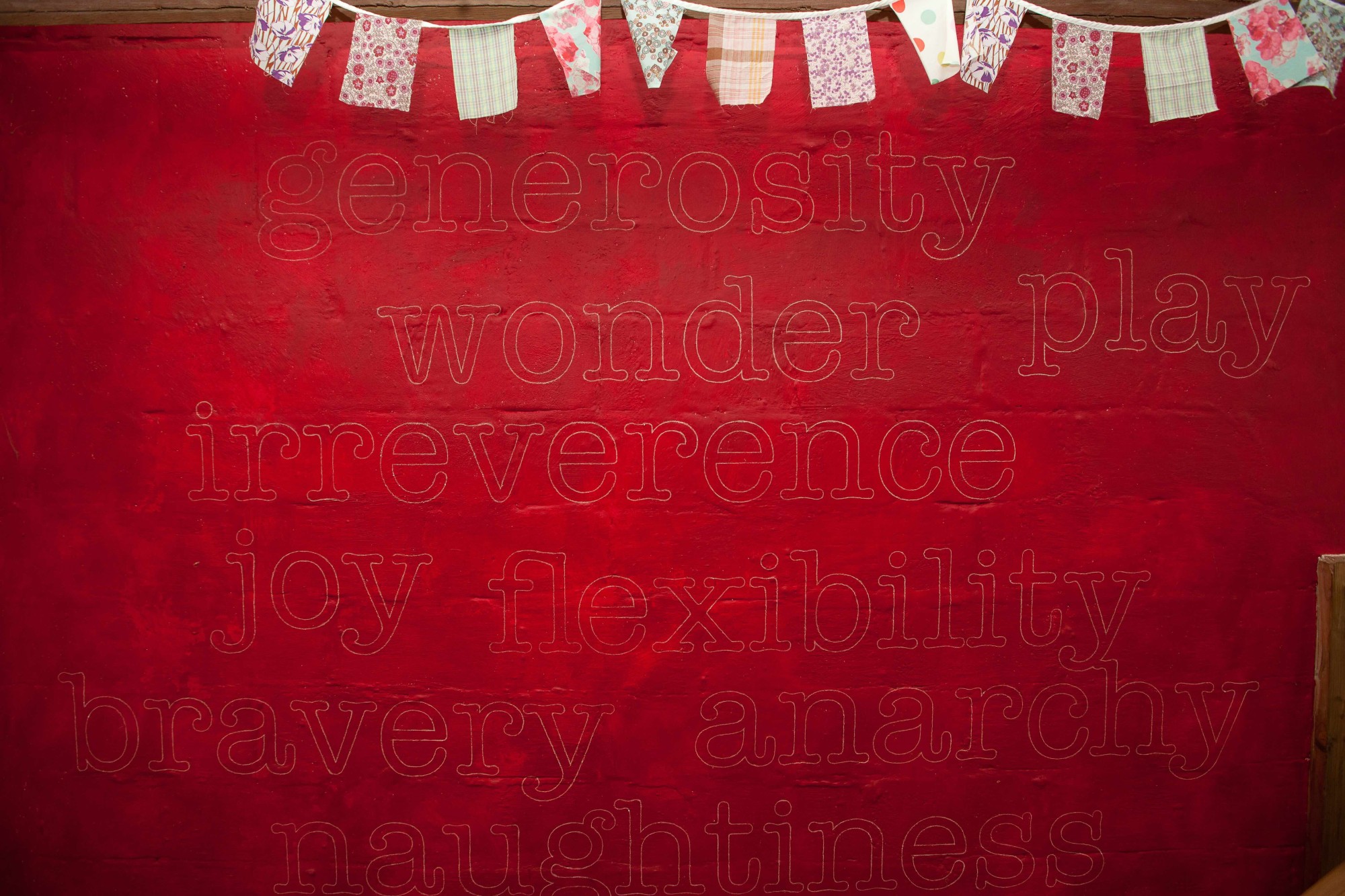
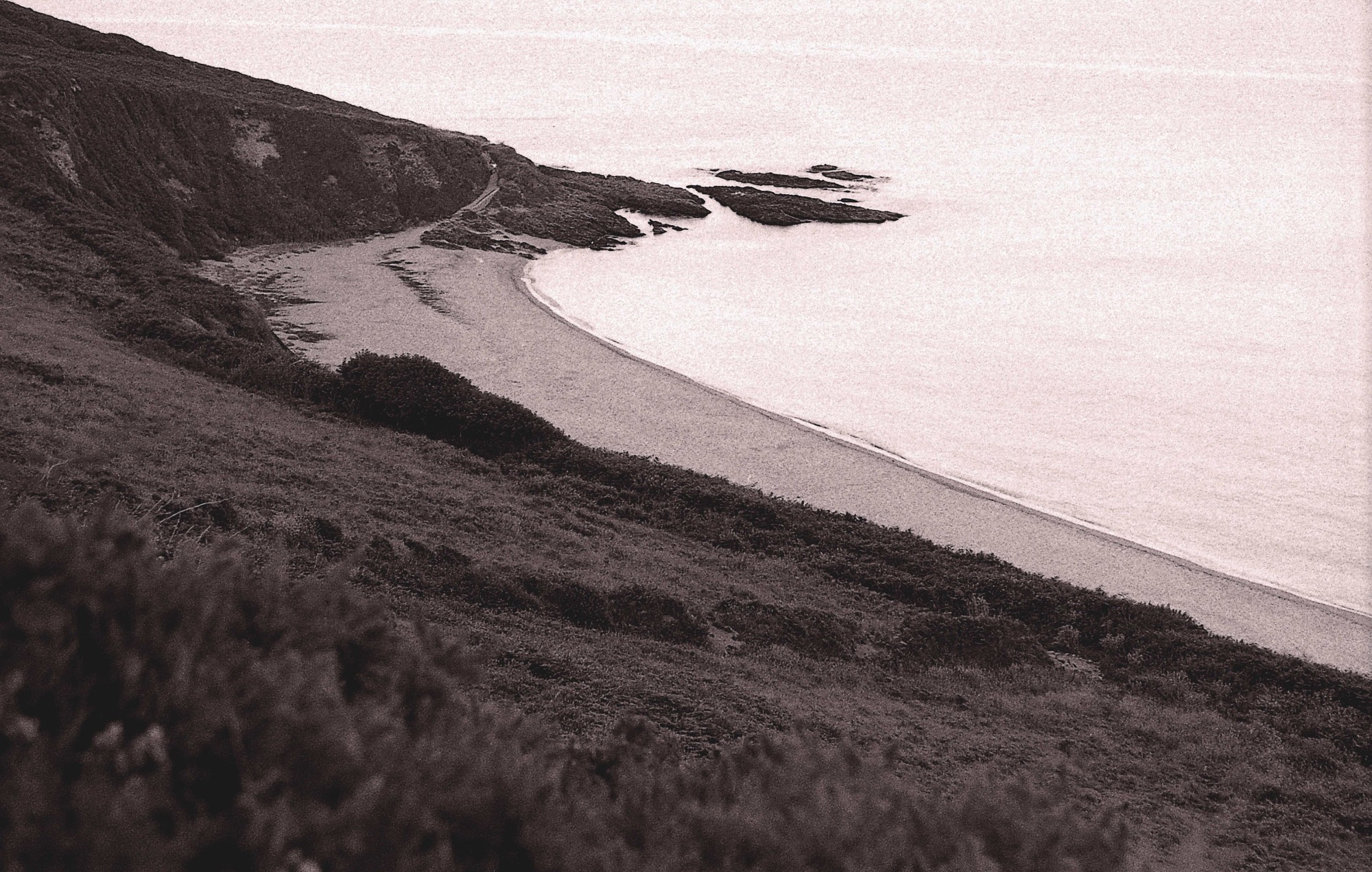
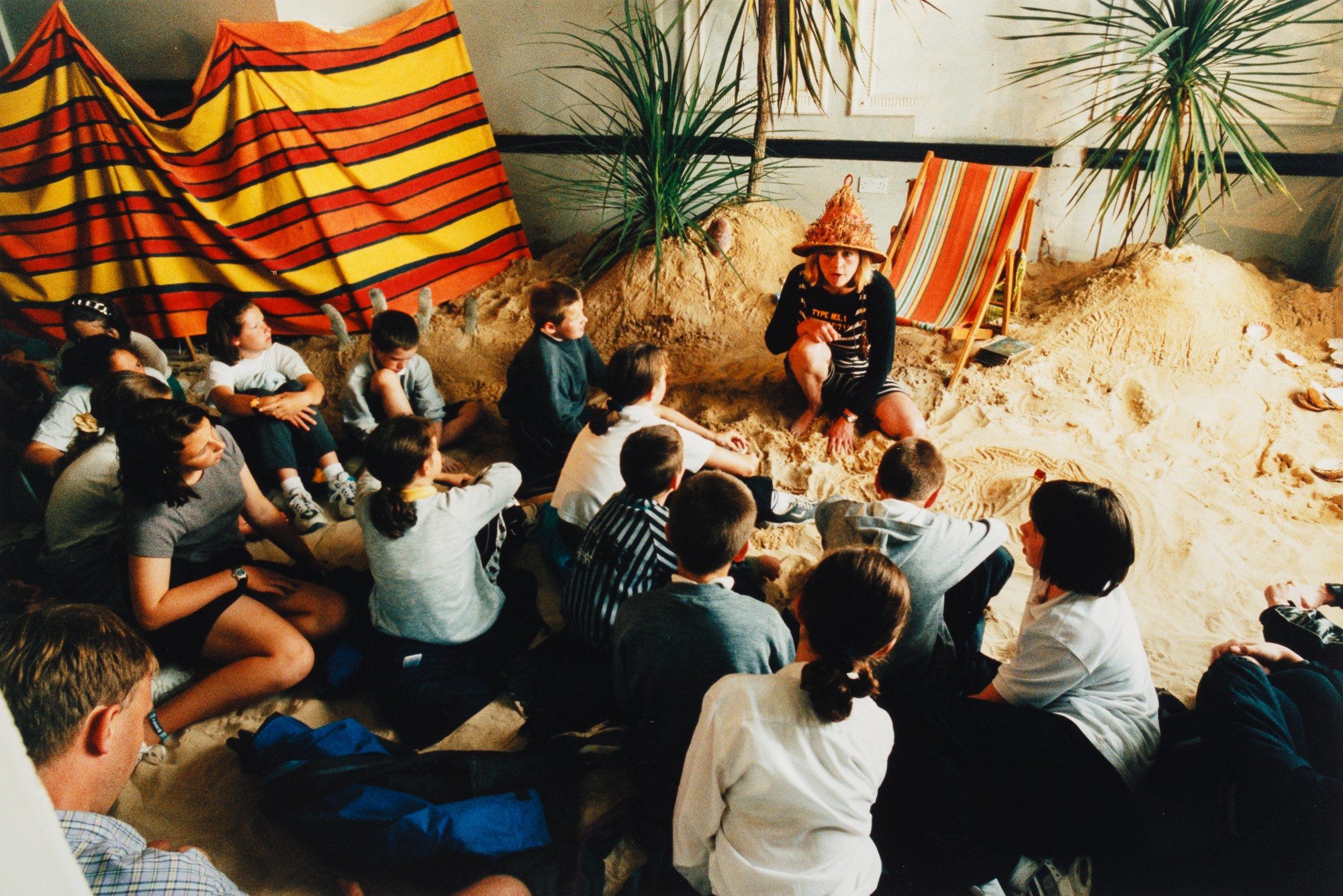
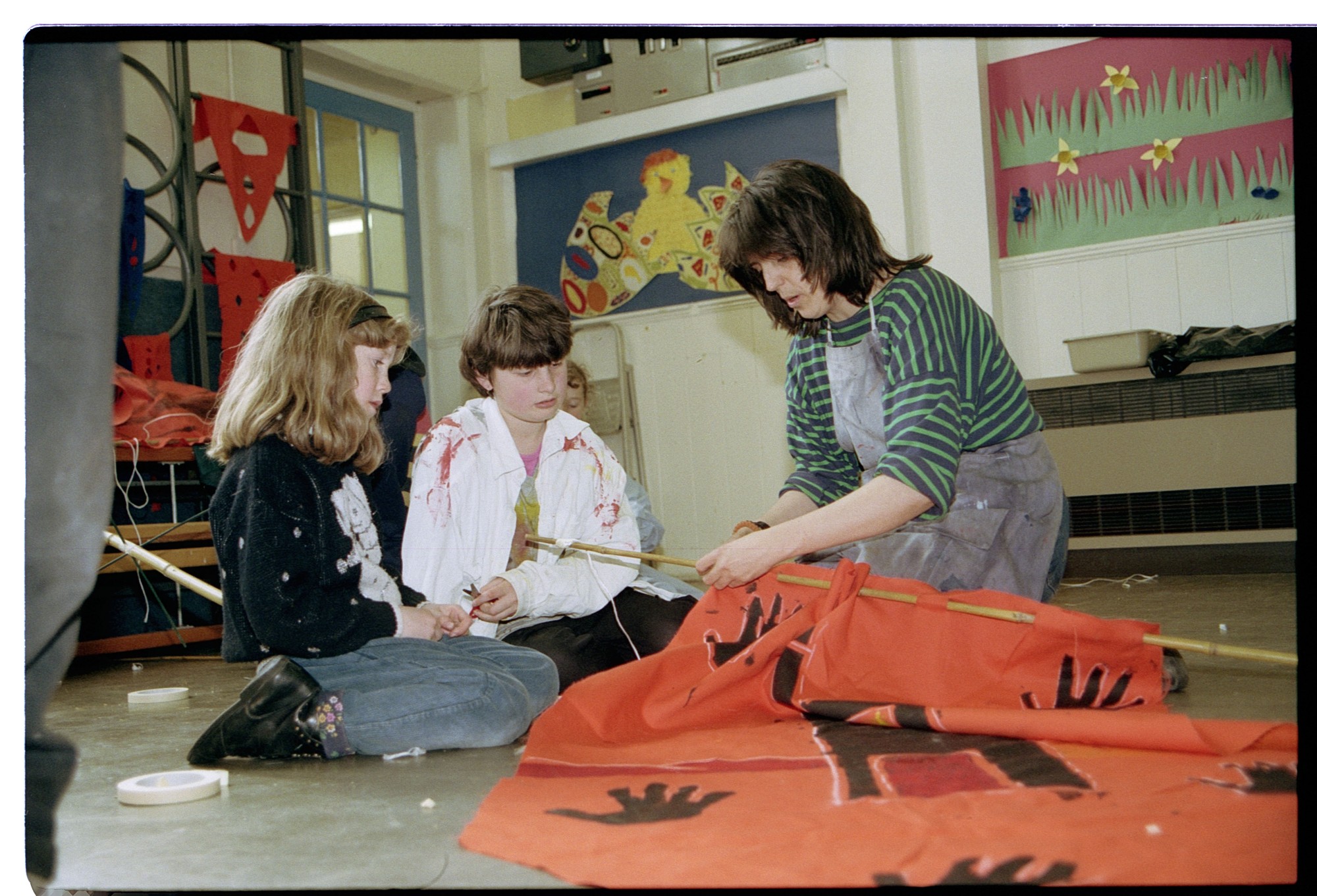
In the Studio 1: The importance of place
Find focused and unusual spaces to rehearse and perform. Notice how different spaces and places impact your voice, your use of space and your relationship with the others in your ensemble. What opportunities do different places give you to surprise your audience? How will it keep them on the edge of their seat? Do they even need a seat?
Collage
Quotes
"Theatre should be like stepping onto a tightrope every night not plodding down a well trodden path. Even when you’re on your 300th performance there should still be a sense of spontaneity, a fizz of adrenaline and a feeling that the actors themselves don’t quite know what’s going to happen. It’s easier to shake things up and find freshness with new and more devised work (we all know what happens at the end of Romeo and Juliet before it even starts). As a performer I never subvert the story or the focus but I often shake things up, change rhythms, find something new."
"You're absolutely in connection with your fellow colleagues and the audience. The storytelling takes people on a journey."
"In village halls, you can’t pretend to be someone else. You have to talk directly to the audience, you have to engage with the tea urn, you have to engage with the children and the grannies and make it an event, a celebration. The Guardian 21st March 2005"
"Kneehigh had almost three different sections - one of which was the touring shows, and there were the village hall touring shows, and there were the schools shows. Even though I trained as a teacher, I learned all my teaching skills through working for Kneehigh and doing workshops."
"Both Emma Rice and I absolutely believe in the collective imagination of the room. If you can create the conditions for that kind of creativity, the collective imagination is going to give you far more than you could come up with on your own. We quite often task people. Fairly quickly people respond to the provocation and come up with something interesting. Both Emma and myself are reluctant to tell people what to do. If there's one thing I'd like people to do within the arts it is to be instinctive and to make offers."

"Going to the Barns for the first time was mind-blowing. It changed everything for me as an artist and as a person, that there was this world of creativity, of storytelling right by the sea."
"There's any number of ways to describe what an ensemble is, but for me, it's a group of people who are on a journey with the work, who have some shared beliefs and, ideally, some shared language. They are going to be brave and are going to step into the unknown, which is what devising is as well."
"We always started with playfulness. There was always a sense of returning to your childhood sense of mischief."
"One of the ways to get people to care is if there’s a sense of shared ownership. That's why we always worked collectively while , at the same time, giving writers, designers, musicians the autonomy to work independently when they needed to"
"Devising is hard, it needs improvisation skills which take time to develop, it needs a generosity and, somehow, a joy of creation. It seems to be increasingly hard to keep fear and anxiety at bay but I believe that we have to strive to do so, as fear and anxiety thwart creativity."
"Don’t labour your ideas. Ideas come easy and Emma always said that bad ones (ideas) usually take care of themselves (by dropping away). Be brave. Be present and respond. Be intellectual when you need to be but don’t overdo it, silliness can be the most poignant heartbreaker."
"When you're devising, you are going to create a fair bit of chaos."
"We talked a lot about archetypes, which is where mask work would come in: through masks you could distill an archetype. Then the real detail of that work was to do contra- archetype, so you could show a victim and a bully at the same time, for example."
"With the writer or writers, we talk and dream, we map out the structure and the overall shape of the piece. They go away and write collections of poems or lyrics or ideas. Each writer works in a different way but what none of them do is to write a script or a scene in isolation."
"I find Ladybird books quite useful! Simple books which give you the structure and the story, but they also give you lots of opportunity to open the story up without being consumed by 125 pages of script."
"I try to write the bits that come easily first, like the best bits: the bits that feel like they're already almost there. I'll tackle the bits that I can already see. That's quite a good way of playing around with what the story is. You think, “let's try this bit in the middle, and let's try the ending, and then let's try this other idea”. Then you have five minutes of material to start you off."
"In discussions and workshops, we end up with bits of paper taped, like big PostIt Notes™. Each bit of paper might be particular images that we like, or a key moment of the show or story. For example, there's going to be a butterfly that lands on a flower, because that symbolises how lost she's feeling. You've got all those things, and then you're placing them in different orders. So that kind of level of detail and just sitting at the laptop isn't from the beginning. The point where you’re sitting at the laptop is when you've got your bits of paper. You’re asking “What is the journey of the characters? What are the scenes that might happen?"
"A simple game of ‘keepy uppy’ can really help alertness, awareness of the group, sharpen antennae, focus and build ensemble. A good theatre show needs a good team actively practicing these qualities. Know where your teammates are, know where the focus is and always know what the story is otherwise the ball will run into touch."
"I find that my brain works really well if I butterfly around an idea, and then I tend to land on something which isn't the thing itself, but it gives me a different map. It's what gives you a fresh view, and that personal map is what will make the piece unique."
"I think about it a lot in my work, which is that we're all scared all the time. Performing is a really scary thing to do, because you're not just scared, as we all are, but you're doing it in front of an audience that may or may not think you're any good, and have lots of ways of showing you that, whether it's reviews or clapping or leaving at the interval. So it's really, really scary. And then what happens when we're scared is, we hold on to what we think is our safe place. Of course, that safe place is useless to us as theatre makers, so you have to do a deal with yourself, which is, be scared. It's unavoidable, no amount of controlling or asking questions or buying time is going to get you out of that scary place so you might as well jump into it. We’d ask ourselves ‘What's the worst that can happen?’ And if the answer wasn't ‘death’, we'd have a go at anything."
"A good way of storytelling is getting an audience on the edge of their seat going, “Oh my God, what's going on? What's going to happen next?”"
"You can’t rest on what you know, and you can't relax into research. You're sort of dancing at the edge of a precipice all the time, which is what Kneehigh felt like. Kneehigh do no research. There is no psychology. There is no discussion about why, or attempts to piece together any dots of a character’s background. As Nick Darke and Mike (Shepherd) always used to say, everybody's capable of everything."
"I believe that once the body is energised and the blood is oxygenated then creativity comes to the fore."
"If you're making a piece of theatre, you're asking the audience to engage their imagination anyway. A puppet is part of the imagined world created by the performance. A puppet guides our imagination and lets us into that world. We're storytellers. A puppet is play and a puppet is make-believe. It's a vital part of creating an imaginary space, and what can happen in that imaginary space. We're not trying to replicate real life. We're telling stories."
"If you're testing a story out, you might make a shadow play of it. This is a great thing for teachers and for students, because a shadow play is a play without words. You're making a storyboard, but you're using a shadow play to do it. If you can tell the story through shadow puppets, you know you can turn it out in the outdoor landscape: it doesn't need explaining. In a classic shadow play, you don't have any text. You can use music and sound, but you don't tell the story, you show it."
"Don’t labour your ideas. Ideas come easy and Emma always said that bad ones (ideas) usually take care of themselves (by dropping away). Be brave. Be present and respond. Be intellectual when you need to be but don’t overdo it, silliness can be the most poignant heartbreaker."
"Bill (Mitchell) was a really great visual director, and his work was so visual. His designs weren’t just making sets for people to act in front of. They were playgrounds."
"We would try not to rehearse indoors too much, because if you stay indoors, you start talking your ideas out rather than doing them. Try and make the work on your feet."

"Audiences are different outside. They become closer to you. You’re sharing the same space. You’re sharing the same view."
"Months before rehearsals begin, I start work with the creative team. We gaze at books and films, sketch and begin to form a concept; an environment in which the story can live, in which the actors can play. The physical world holds meaning and narrative, it is as much a storytelling tool as the written word."
"I like to see the workings of theatre. I like there to be magic as well, where you don't know how that's happened, but I like to see the workings of it too."
"Live musicians bring an immediacy. It’s important to place the music and give it its full impact. I’m not keen on underscoring. A live band adds real power to the live storytelling. Much of Kneehigh’s work has been in epic spaces where dense dialogue is not appropriate. In a way we often work filmically where soundtrack leads the action and text is more minimal."
"What’s unique about the Kneehigh process is that it’s about investment, ownership and generosity. The Barns was the thing for me, how isolated it was, how focused the work was and how the bubble of it came with you on tour around the world."
"Kneehigh already had a kind of a template, which was like a way of telling stories with their bodies. It became even more important when you took that work outside, we found we could tell stories physically and with music: you still used words, but they weren't carrying the story. They weren't telling people things. You were showing people things, and the music became really important. And of course, Jim Carey was the kind of musician who would write these absolutely divine threads of music, which scored the shows. Quite quickly this kind of physical theatre form developed, which was taking the audience on an emotional journey through their eyes as much as through their ears. Then it became even more important. We started to do wild walks and take people on journeys."
"I’m a little bit sceptical of original ideas..."
"Ideas are everywhere"
"I'm a massive believer in dressing up. Always have been. I think everybody changes the minute they dress up, but you have to make sure that the clothes fit. Teachers need to find things that make people less body conscious. You need big, funny clothes because if you're asking people to lose their inhibitions, the last thing you want them to do is to try and squeeze into trousers that don't fit.
I always think trying to have a way of making a space dark is good because I think acting, creating and improvising is very exposing. If you can black out the windows and just have torches, that’s great. If you haven't got a lighting rig, you don't need it. You can have electric candles, you can have torches. You can have your iPhones on, you know, whatever you might have to see if you can take the edge off so that people don't feel exposed. I think that's 90% of what I do with actors.
I take the pressure off actors by playing music underneath what they're doing, which is encouraging them not to use words all the time, to work physically, to take it out of the face and into the body. Think about all the things that make you feel exposed: being yourself, being strongly lit, feeling like you have to fill a silence. Take all those fears away, and people will surprise you. And then once they're discovering things, then you can take away the crutches. I think normally people build the other way round: rehearse in raw daylight, and then put the lights down. Do it the other way around, rehearse in the dark, and then bring the lights up when people know what they're doing.
"
"As soon as you start getting your group to have fun with what they're doing and play to their strengths, you’re on to a winner because they love what they're doing. What they're doing becomes really funny or engaging and so on. As a director, you can always tailor it into whatever you want. You can dial it down, dial it up…Students often ask “what's the right way of doing this?” and of course, the answer to give is that “YOU are the right way of doing this. Just engage with it and I'll give you some stepping stones to help you do what you do best”."
"Improvisation is really important for storytelling."