 Sue Hill
Management Team, Artist
Sue Hill
Management Team, Artist
Quotes
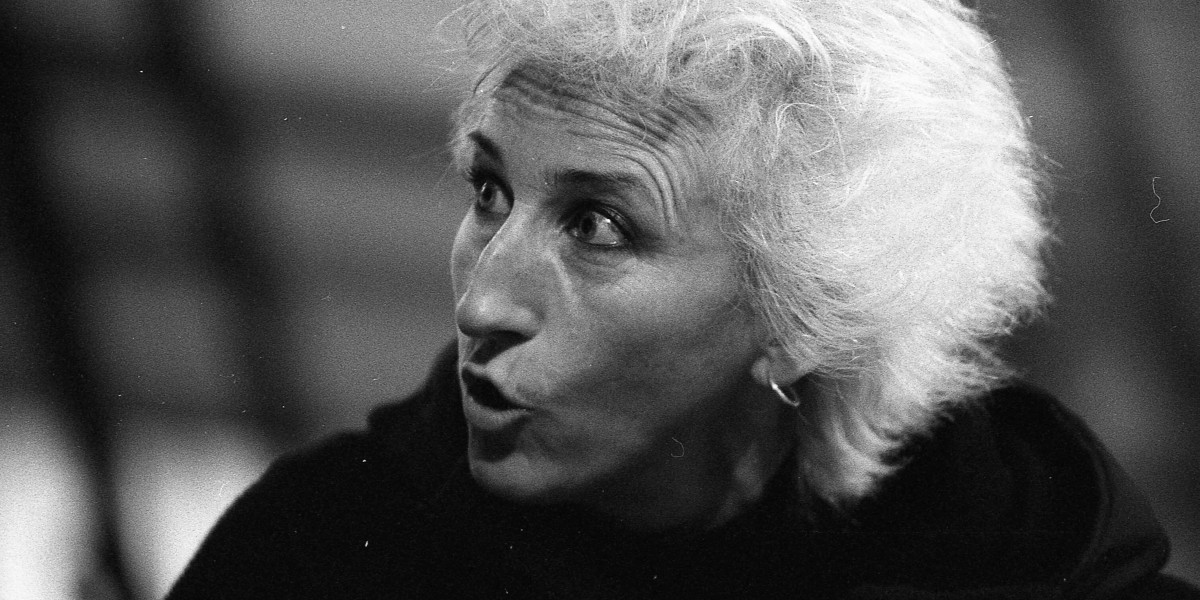
"We always started with playfulness. There was always a sense of returning to your childhood sense of mischief."
"If you're testing a story out, you might make a shadow play of it. This is a great thing for teachers and for students, because a shadow play is a play without words. You're making a storyboard, but you're using a shadow play to do it. If you can tell the story through shadow puppets, you know you can turn it out in the outdoor landscape: it doesn't need explaining. In a classic shadow play, you don't have any text. You can use music and sound, but you don't tell the story, you show it."
"Bill (Mitchell) was a really great visual director, and his work was so visual. His designs weren’t just making sets for people to act in front of. They were playgrounds."
"We would try not to rehearse indoors too much, because if you stay indoors, you start talking your ideas out rather than doing them. Try and make the work on your feet."
"Kneehigh already had a kind of a template, which was like a way of telling stories with their bodies. It became even more important when you took that work outside, we found we could tell stories physically and with music: you still used words, but they weren't carrying the story. They weren't telling people things. You were showing people things, and the music became really important. And of course, Jim Carey was the kind of musician who would write these absolutely divine threads of music, which scored the shows. Quite quickly this kind of physical theatre form developed, which was
taking the audience on an emotional journey through their eyes as much as through their ears. Then it became even more important. We started to do wild walks and take people on journeys."
Archive Objects